Brush Twice, 2 Minutes Each Time
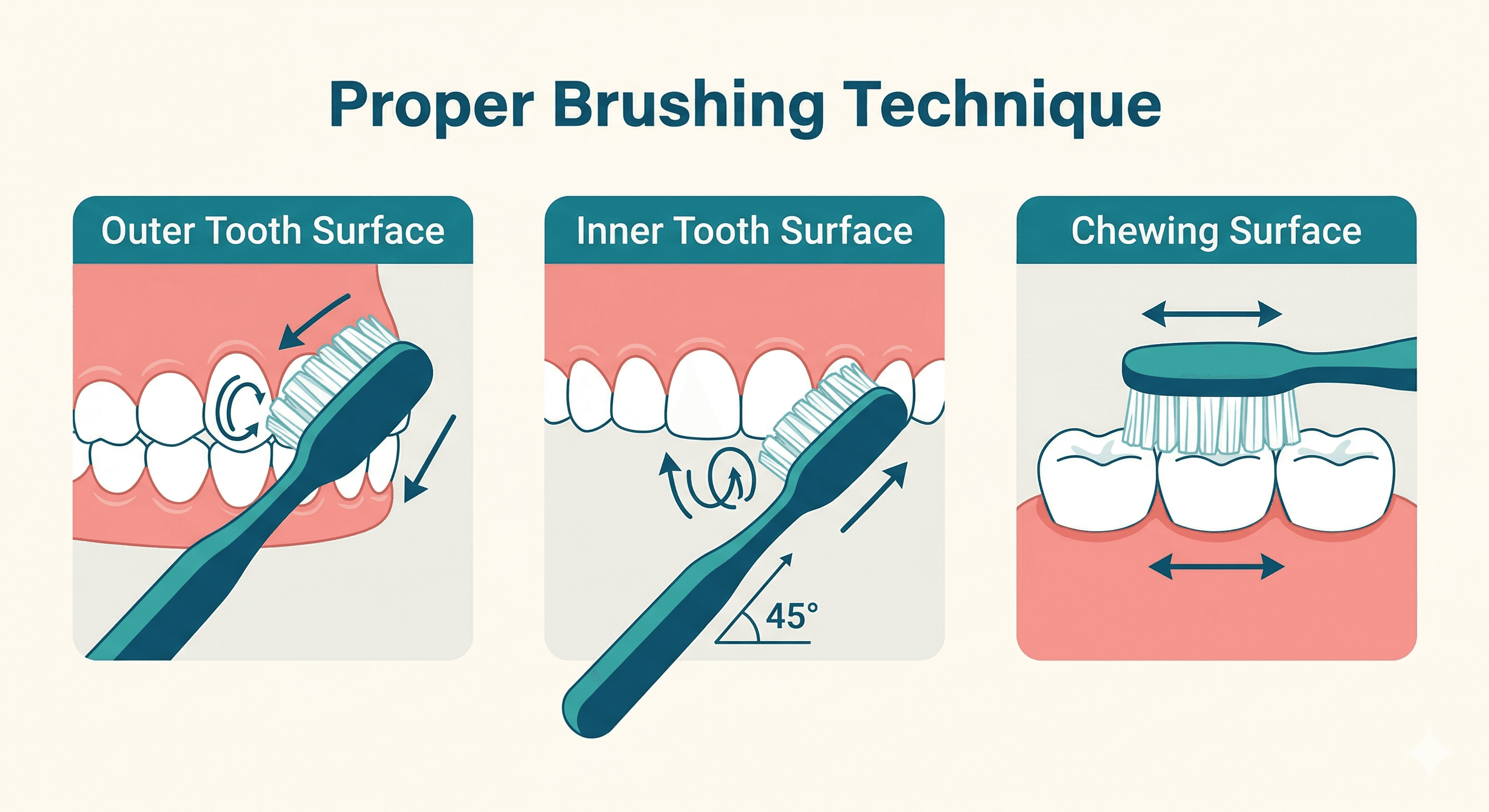
Use a soft-bristled brush and fluoride toothpaste. Hold your brush at a 45° angle to the gumline. Brush all surfaces — outer, inner, and chewing.
 KALYAN DENTAL
Dental Awareness Hub
Everything you need to know about keeping your mouth healthy — from simple daily habits to understanding your treatment options. Simple. Visual. Trustworthy.
For a Healthy Mouth
The best dental treatment is the one you never need. These habits can prevent 80% of all dental problems.
Use a soft-bristled brush and fluoride toothpaste. Hold your brush at a 45° angle to the gumline. Brush all surfaces — outer, inner, and chewing.
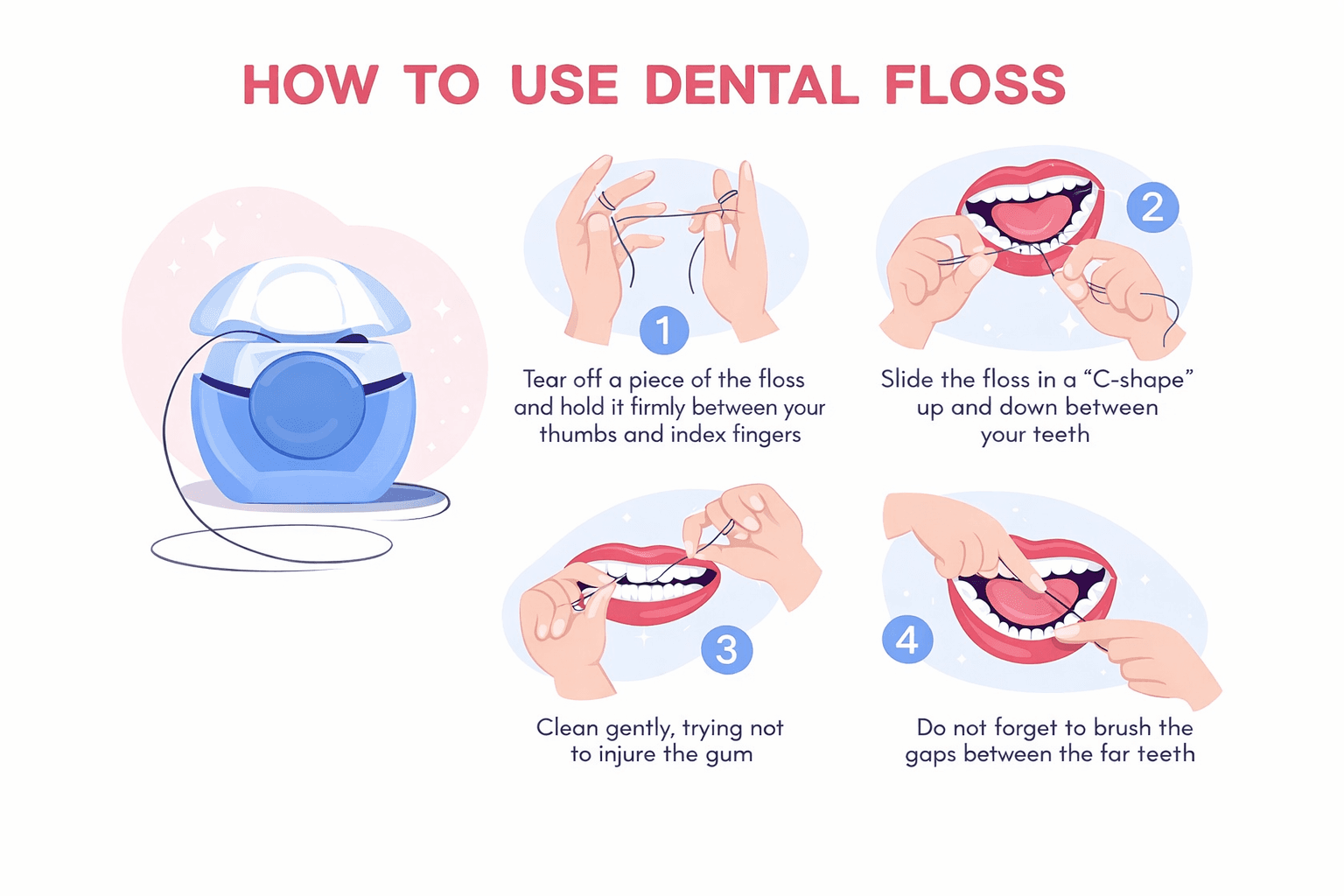
Flossing removes plaque and food from places your brush can't reach. It prevents gum disease and cavities between teeth. 15–18 inches of floss is all you need.
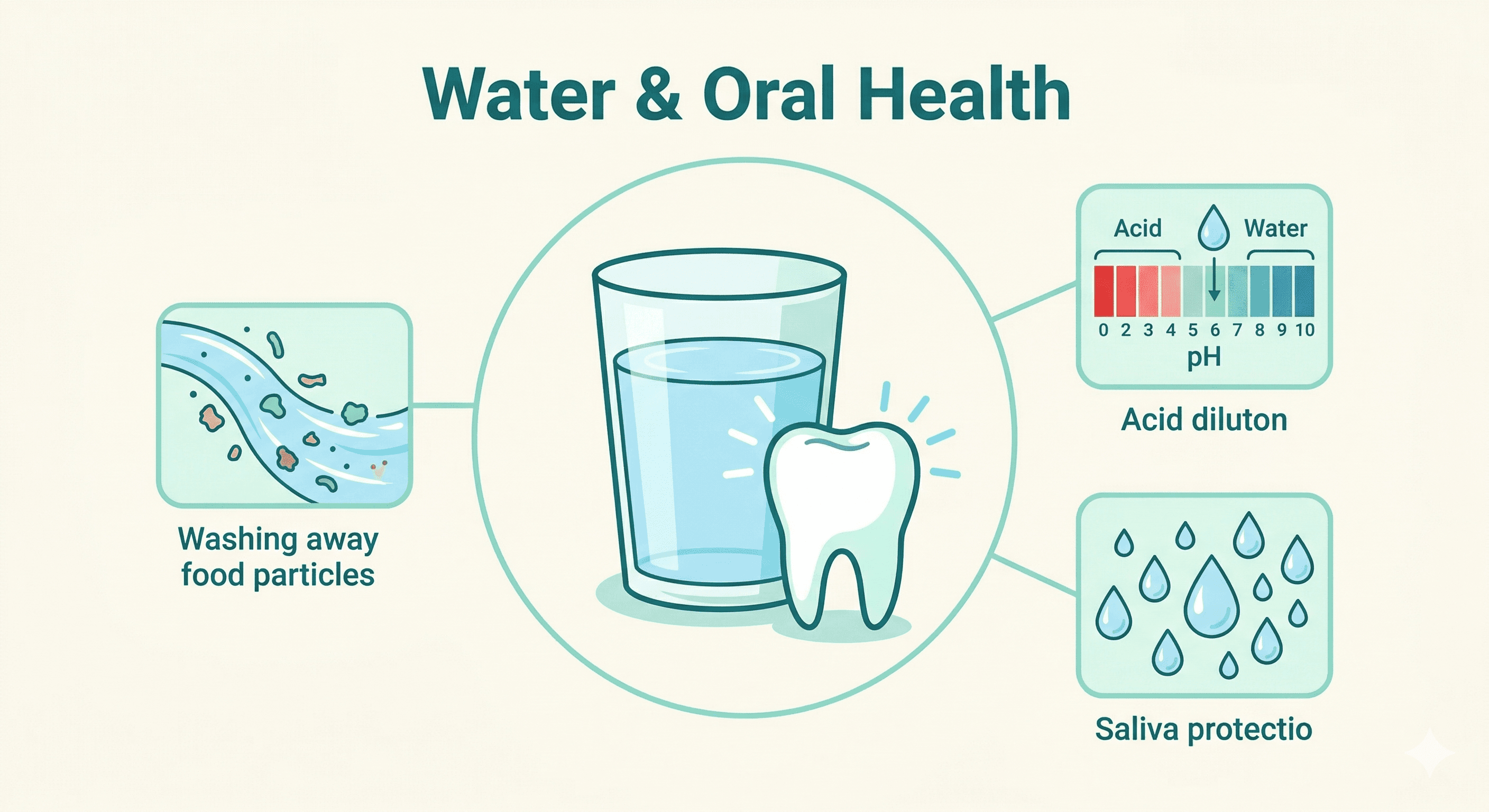
Drinking water washes away food particles, dilutes acids, and helps maintain saliva production — your mouth's natural defense system.
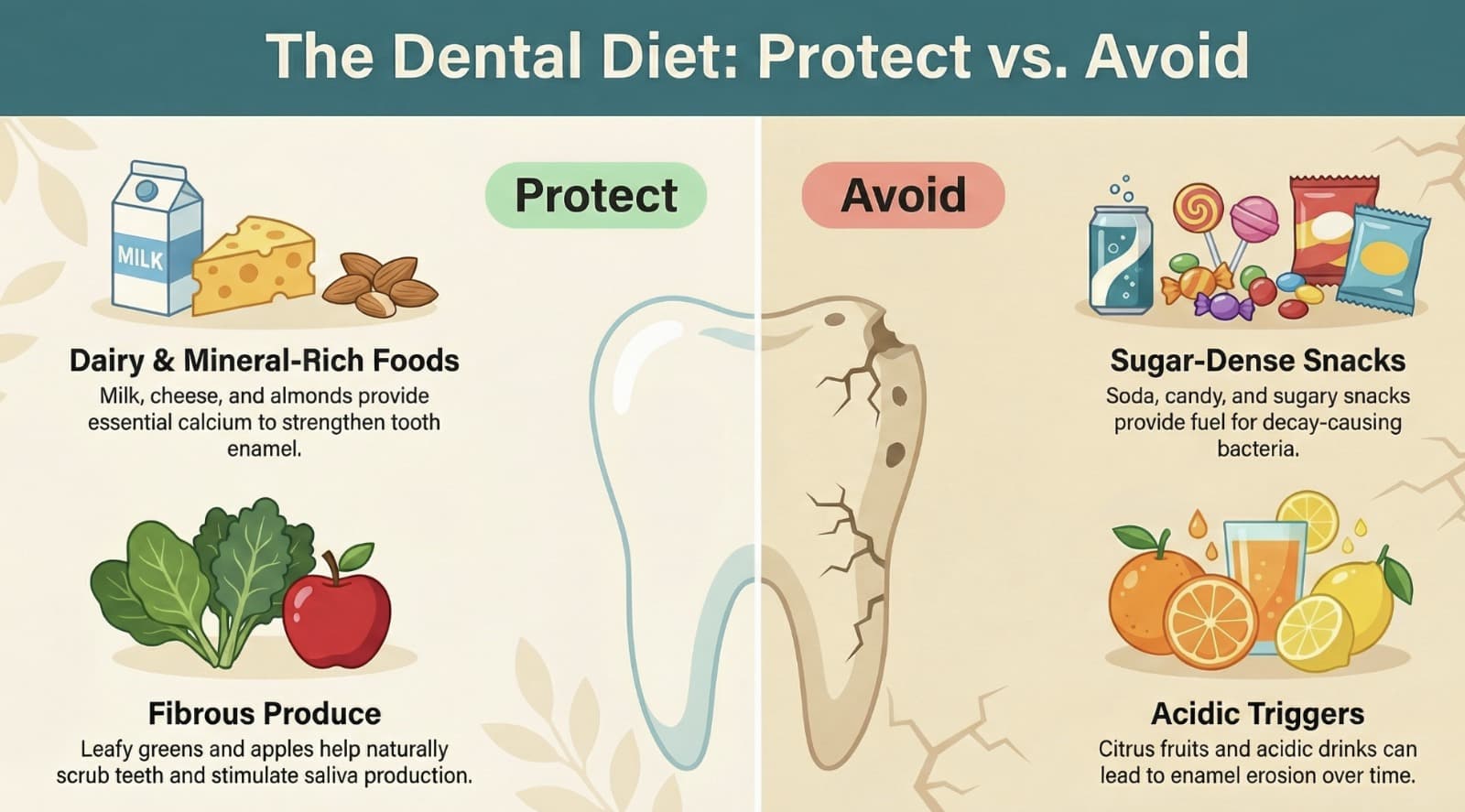
Foods high in sugar feed cavity-causing bacteria. Limit sugary snacks and acidic drinks. Calcium-rich foods (dairy, leafy greens, almonds) strengthen enamel naturally.
Regular dental check-ups catch problems early — before they become painful and expensive. A professional cleaning removes tartar (hardened plaque) that no amount of home brushing can remove. Early-stage cavities found during check-ups can be treated with a simple filling — avoiding root canals or extractions later.
Digital X-rays allow dentists to see problems between teeth, below the gumline, and in the jawbone — invisible to the naked eye. Modern digital X-rays use significantly less radiation than traditional methods. Your dentist will recommend X-rays based on your personal risk factors.
Fluoride rebuilds weakened enamel and prevents decay.
Smoking is a leading cause of gum disease, oral cancer, and tooth loss.
If you play contact sports, a custom mouthguard protects teeth from trauma.
Soda, juice, and sports drinks are highly acidic and coat teeth in sugar.
Begin cleaning your baby's gums even before teeth appear.
Bruxism (grinding) wears down enamel — a dentist can provide a night guard.
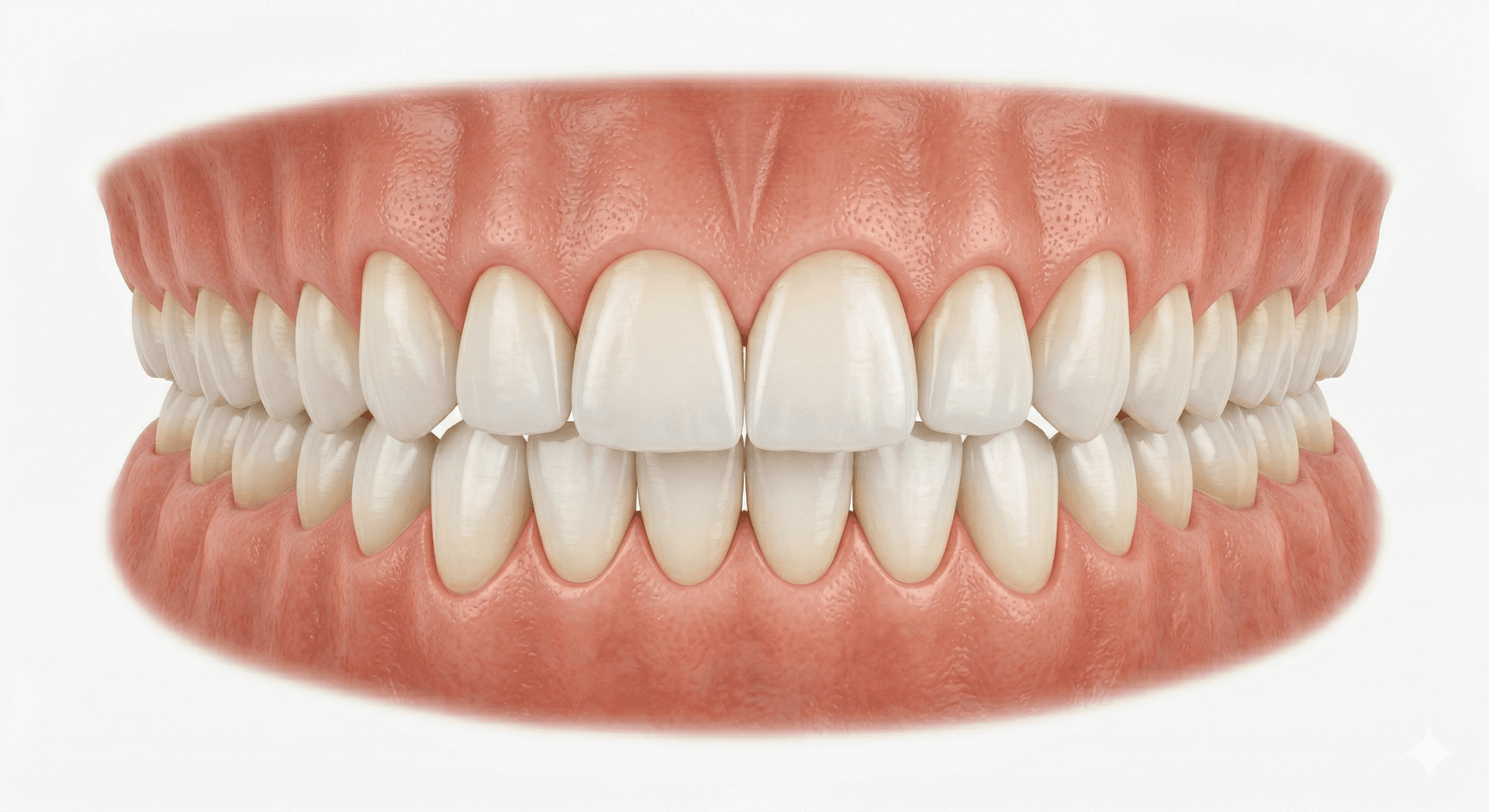
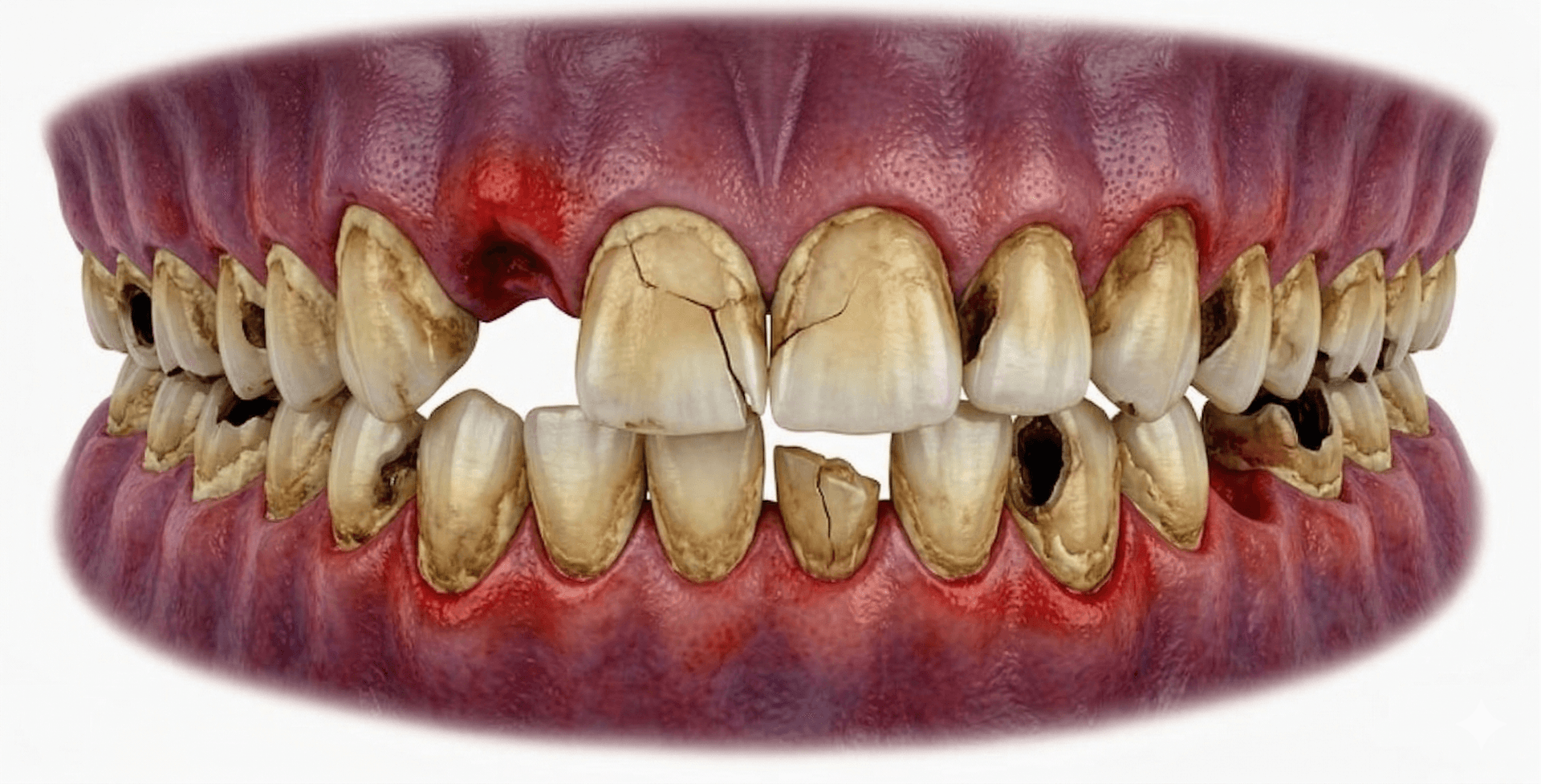
SEE THE DIFFERENCE
Drag to see what consistent dental care protects you from.
Know What You're Facing
Noticing something unusual? Here's what different symptoms might mean — and why seeing a dentist early always helps.
Tooth decay occurs when bacteria in your mouth produce acids from sugars, which slowly dissolve the hard outer layer (enamel) of your tooth. If untreated, it progresses to the softer inner layer (dentine) and eventually the nerve.
Tooth sensitivity to sweet/hot/cold, visible dark spots, toothache
See a dentist. Early decay = simple filling. Waiting = bigger problem.
Understanding Your Treatment
Knowledge removes fear. Here's an honest, simple walkthrough of the most common dental treatments — what they involve and what to expect.
For Parents
Every stage of your child's dental development matters. Here's what to expect and when.
0–6 months
Action: Gently wipe baby's gums with a soft damp cloth after feedings
Note: Avoid putting baby to sleep with a milk bottle — pooled milk causes early decay
6–12 months (First Tooth Eruption)
Action: Start using a soft-bristled infant toothbrush with water
Note: Schedule your child's first dental visit by their 1st birthday
1–3 years
Action: Use a rice-grain sized smear of fluoride toothpaste from age 1–2; pea-sized from 3
Note: Make brushing fun — let them hold the brush, use songs or timers
4–6 years
Action: Dental sealants recommended as baby molars come in
Note: First dental X-ray is typically recommended around this age
6–12 years
Action: Regular 6-monthly check-ups become especially important
Note: Orthodontic evaluation can begin around age 7–8
13+ years
Action: Full orthodontic assessment if not done already
Note: Wisdom teeth monitoring begins in late teens
A: Make it a game, not a fight. Use a two-minute song, let them brush your teeth first, then you brush theirs. Consistency always wins — don't skip it.
A: Yes. Baby teeth hold space for permanent teeth. Early loss from decay can cause permanent teeth to erupt crooked, requiring expensive orthodontic correction later.
A: A basic orthodontic check is recommended at age 7, even if treatment won't begin until 11–13. Early assessment can catch problems that are much simpler to fix early.
Every 6 months for most people. If you have gum disease, dry mouth, or a high cavity risk, your dentist may recommend every 3–4 months.